How to Cope When Someone Dies Abroad: A Practical Guide
When someone dies abroad — whether they were living overseas, travelling, or you yourself live in a different country from where the death occurred — grief arrives tangled up with logistics most people have never had to think about. This guide covers both: the practical steps that need to happen first, and how to look after yourself through a process that is often slower and harder than anyone expects.
The first practical steps
Every country's process differs slightly, but most deaths abroad follow a similar sequence:
- Register the death locally. This usually has to happen in the country where the death occurred, through the local authorities, before anything else can proceed.
- Contact the consulate or embassy. The consulate of the deceased's home country can often help with documentation, translation, and connecting you with local funeral directors experienced in international cases. This step is genuinely worth doing early — consular staff handle this regularly and can save you a lot of confusion.
- Decide: repatriation or a local funeral. Bringing a body home involves specific legal, medical, and transport requirements, and can take one to several weeks depending on the countries involved. A local funeral or cremation abroad is usually faster and less expensive, with ashes repatriated afterward if that's preferred. Neither choice is "more correct" — families choose based on wishes expressed in advance, cost, religious or cultural practice, and how the wider family feels.
- Check for travel insurance or repatriation cover. If the death occurred while travelling, an existing travel insurance policy may cover some or all of the repatriation costs — worth checking before assuming this falls entirely on the family.
- Gather documentation early. A death certificate, and often a translated and apostilled (legally certified) version of it, will be needed for banks, insurance, inheritance, and other processes back home. Ask the funeral director or consulate what's needed as early as possible — this paperwork tends to be the slowest part of the whole process.
Why this process is emotionally harder than a death at home
Beyond the grief itself, there are specific things that make a death abroad especially difficult:
- Waiting. Repatriation and paperwork can take days or weeks, which often means the funeral — and the sense of closure that comes with it — is delayed well past when you'd expect to be grieving "normally."
- Managing logistics while grieving. Most people aren't equipped to make consular calls, compare repatriation quotes, and process grief at the same time, yet that's exactly the position this puts families in.
- Language and unfamiliar systems. Dealing with a foreign hospital, police report, or funeral home — sometimes in a language you don't speak — adds a layer of stress that has nothing to do with the loss itself but compounds it heavily.
- Family disagreement over decisions made under pressure. Repatriation vs. local funeral, cremation vs. burial — these are often decided quickly, under financial and emotional pressure, and can leave lingering tension in a family even when everyone acted with good intentions.
Coping with the emotional side
A few things that consistently help families going through this:
- Let the practical tasks have their moment, but don't let them replace grieving entirely. It's common to throw yourself into logistics because they feel solvable, while the loss itself feels impossible — but the grief will still be there once the paperwork is done, often more intensely, and that's normal too.
- Loop in family early and often, even across time zones. Decisions about repatriation, funerals, and finances land more gently when the wider family feels informed rather than presented with outcomes.
- Use a funeral director experienced in international cases where possible — many now specialise specifically in repatriation and can absorb a huge amount of the logistical burden, which frees you to actually grieve.
- Expect a delayed emotional wave. Many people find that the hardest period isn't the days immediately after the death (when there's a lot to manage) but the weeks after the funeral, once the logistics are finished and there's finally space for the loss to be felt fully.
Bringing family together despite the distance
Because a death abroad so often involves family scattered across countries, staying connected through the process — and afterward — matters more than usual:
- A shared, single source of information. Appointing one family member to coordinate updates (rather than the news travelling unevenly through separate calls) reduces confusion and repeated distress during an already hard week.
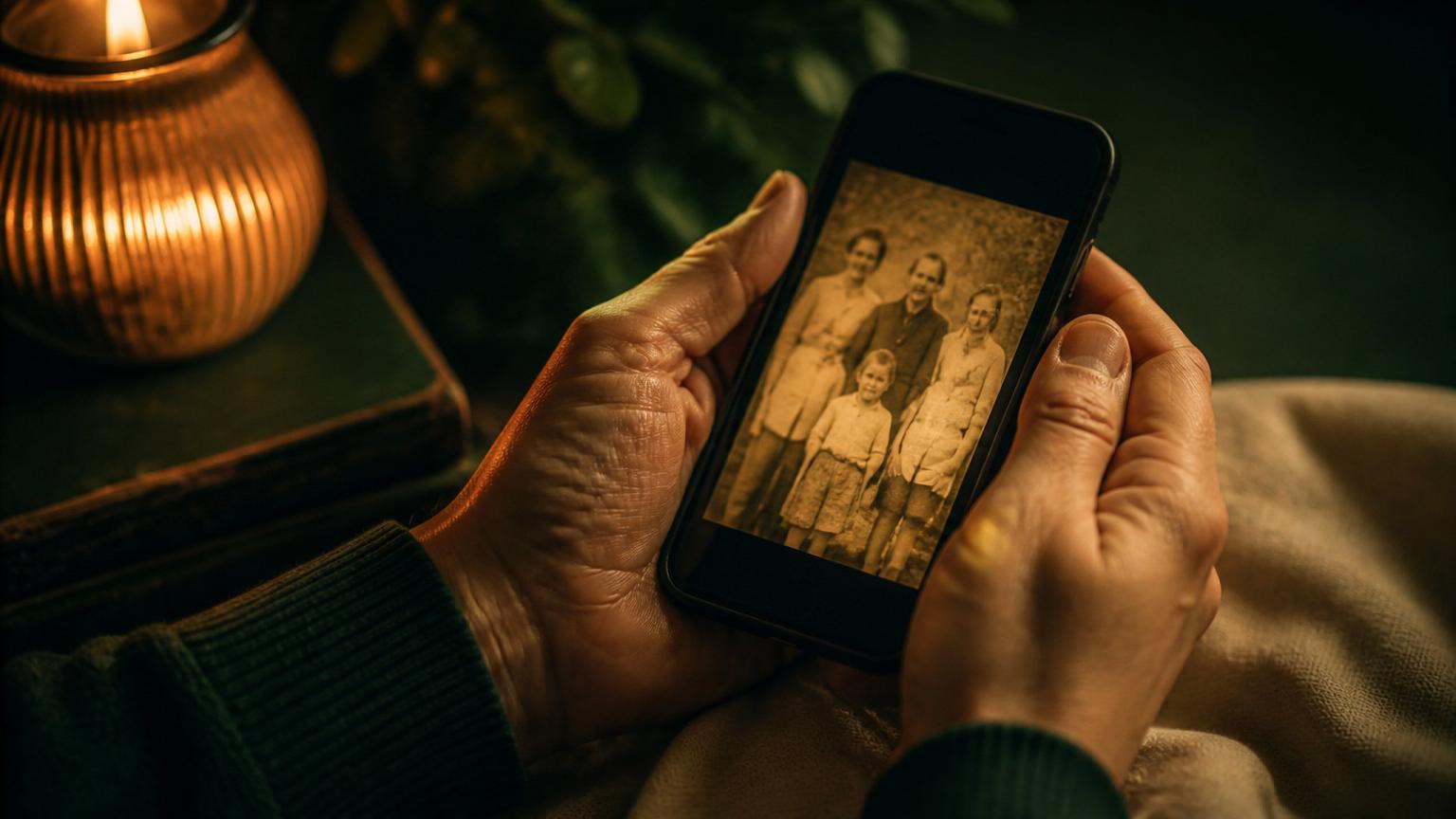
- A lasting place to gather memories, especially when the family couldn't all be together in person for the funeral. An online memorial lets everyone — wherever they live — add photos, stories, and messages to one shared page, which can matter even more when the goodbye itself happened far away or was delayed by weeks of paperwork.
- A physical marker back home, if there's a grave or resting place there. Some families link a QR memorial plaque to the online memorial, so anyone visiting in person — regardless of where the person actually died — can see the same living tribute the rest of the family is keeping.
You don't have to manage this perfectly
Losing someone abroad puts families through a process most people are never prepared for, on top of grief that would already be hard on its own. If it feels overwhelming, that's an entirely reasonable response to a genuinely difficult situation — not a sign you're handling it wrong.
If you need support, your embassy or consulate can often point you toward local bereavement resources, and in the UK, Cruse Bereavement Support offers free grief support by phone and video regardless of where the death occurred.
When you're ready, Vidalem offers a free online memorial where your family can gather photos, stories, and messages in one place — a way to bring everyone together around a life that mattered, even when the goodbye itself happened far from home.