The 2026 Guide to Permanent QR Headstones: Future-Proofing Digital Legacies
By Vidalem Tech & Legacy Team | Updated: April 2026
A headstone can last for generations, but the digital story it points to needs the same engineering discipline: durable materials, resilient URLs, and family access that survives beyond one administrator.
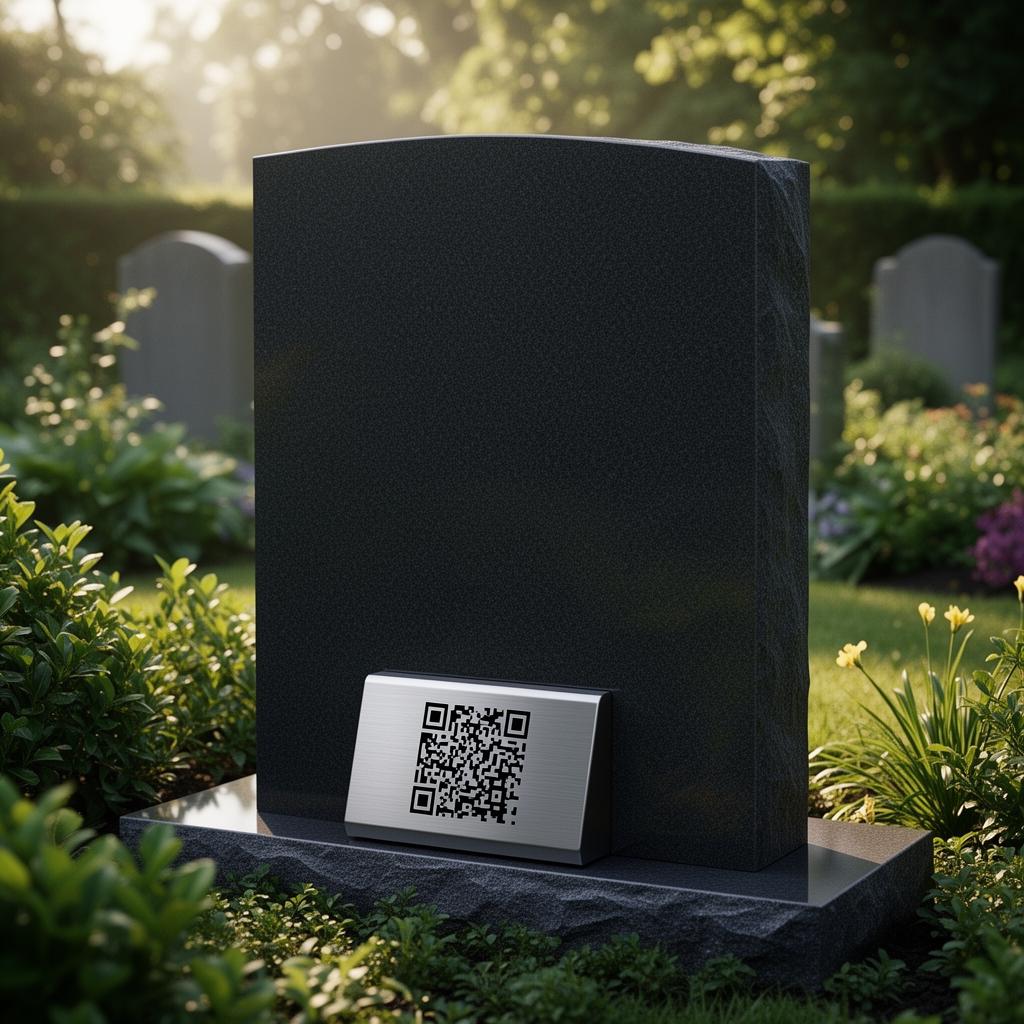
Why Traditional QR Codes Fail (and the 2026 Standard)
Early cemetery QR codes were often treated like ordinary labels: printed, laminated, glued to stone, and routed through short-lived URLs. That approach may work for an event poster, but it is not appropriate for a grave marker expected to endure weather, cleaning, family moves, and decades of phone changes.
The 2026 standard is different. A permanent QR headstone combines outdoor-grade material, a stable memorial destination, and a succession plan for who can manage the story after the original family administrator is gone.
Material Science: Why Laser-Etched Titanium Beats Plastic & Ceramic.
Plastic fades, adhesive weakens, and surface-printed ceramics can chip or lose contrast. Laser-etched titanium and high-grade coated metals preserve scan contrast because the code is physically marked into the surface rather than simply printed on top of it.
The “Link Rot” Crisis: Ensuring your digital story outlives the hosting company.
The physical QR code is only half the system. If the URL redirects through a fragile shortener, expired domain, or platform without continuity planning, the marker can become a dead link. Permanent memorials need non-expiring URLs, exportable content, and a documented path for account succession.
The “No-Subscription” Guarantee: Reclaiming Eternal Peace
A standard QR code relies on a subscription model. What happens when that subscription expires? The link breaks, and the memory fades. Vidalem’s 2026 standard dictates that eternal honor should not be subject to monthly fees. Our platform guarantees a non-expiring URL, backed by decentralized storage.
Beyond the Link: Creating an Interactive Graveside Experience
A permanent QR marker should do more than open a static page. It can help visitors hear stories, view photo timelines, read tributes in multiple languages, and understand the person behind the inscription.
Families are also beginning to pair public memorial pages with private Legacy Vaults. These areas can hold sensitive letters, recordings, family documents, or extended memories that only approved relatives can unlock from the physical marker.
From Blank Page to Living Story: Overcoming 'Tribute Writer's Block'
Research shows that the single biggest barrier to creating a digital memorial isn't the technology; it’s the inability to find the right words. When purchasing the permanence of a titanium plaque, the pressure can be immense.
AI-Assisted Tribute Templates
Don't let writer's block paralyze the process. Use modern AI tools to generate heartfelt obituary text or photo captions. Simply input a few details, and let technology help create the perfect tribute in minutes. Once the words are flowing, the path to healing becomes clearer.
Transitioning from Physical Honor to Mental Healing
Building the memorial can be one of the first organized acts after loss. It gives families a task, a structure, and a way to transform scattered memories into something visible and lasting.
Yet once the page is complete and the marker is installed, many people feel an emotional void. The project that gave shape to grief ends, while the grief itself remains. That is when support should shift from preserving the story to caring for the person carrying it.