Remembrance Website vs Obituary Website
When someone dies, families often encounter two similar-sounding things: an obituary website and a remembrance website. They serve very different purposes. In short: an obituary announces a death; a remembrance website preserves a life. This guide explains the difference so you can choose what your family actually needs.
What is an obituary website?
An obituary is a notice that someone has died. Traditionally printed in newspapers, it now often appears online. An obituary typically includes:
- The person's name, and dates of birth and death.
- A brief summary of their life and surviving family.
- Funeral or service details.
What is a remembrance website?
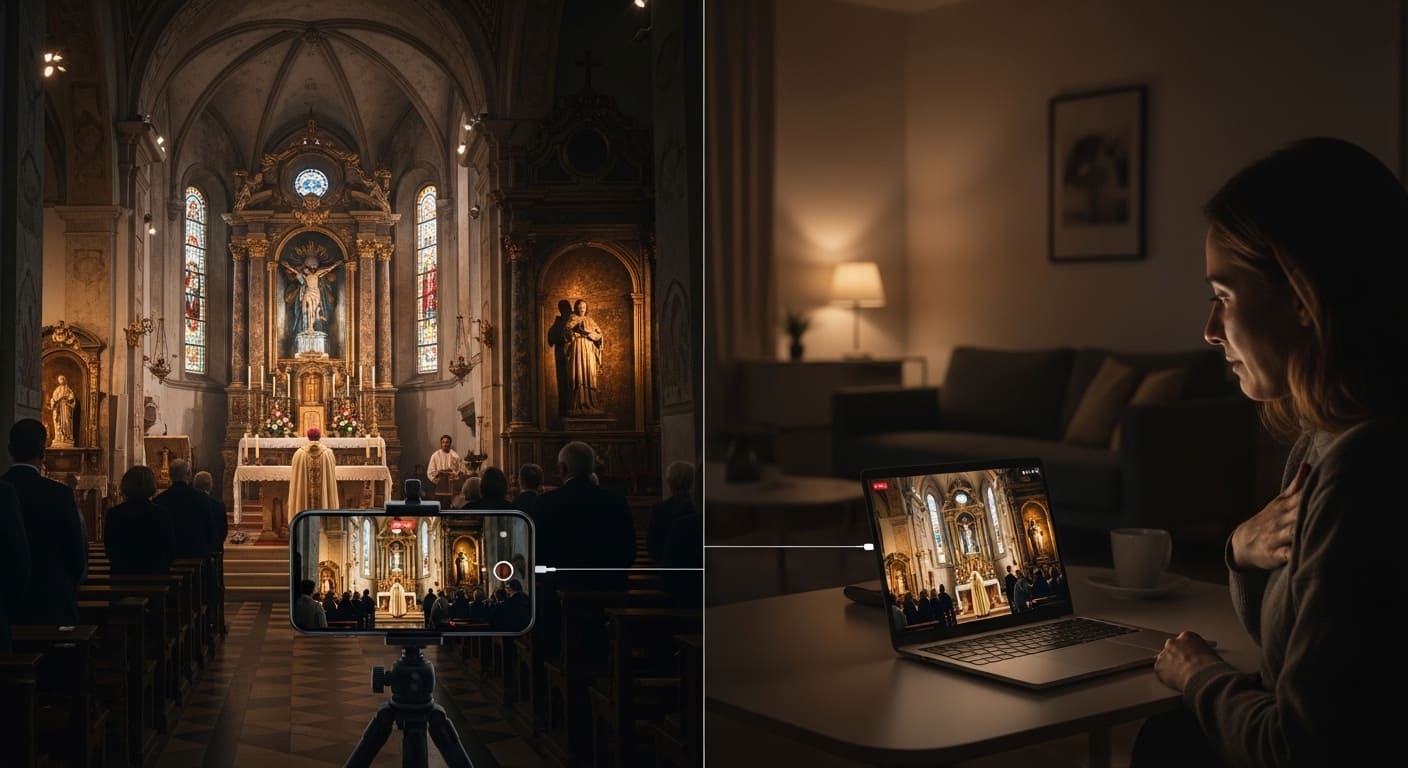
A remembrance website (also called a digital memorial) is a permanent space to preserve and celebrate a life. Rather than announcing a death, it holds:
- A full life story and biography.
- A photo and video gallery.
- A guestbook where family and friends share memories.
- Virtual candles, tributes, and anniversary reminders.
- Privacy controls so the family decides who can view and contribute.
The key differences
- Purpose — an obituary announces; a remembrance website preserves.
- Lifespan — obituaries are timely and can expire; remembrance websites are built to last.
- Depth — an obituary is a few lines; a remembrance website holds a whole life.
- Participation — an obituary is read; a remembrance website invites family to contribute.
- Control — obituary sites are often ad-supported and platform-controlled; a good remembrance website is private, ad-free, and family-controlled.
Which does your family need?
Often, both — at different moments:
- In the first days, an obituary or death notice serves an important job: telling people, and sharing service details.
- For the long term, a remembrance website is what keeps the person present — a place the family and scattered relatives can visit and add to for years.
What to look for in a remembrance website
- Permanence — it should be built to last, not expire or depend on a lapsing subscription.
- A genuine free tier — the core memorial (story, photos, guestbook) shouldn't be paywalled.
- Privacy controls — public, unlisted, or private, with contribution moderation.
- Data protection — GDPR compliance and EU-based hosting for personal memories.
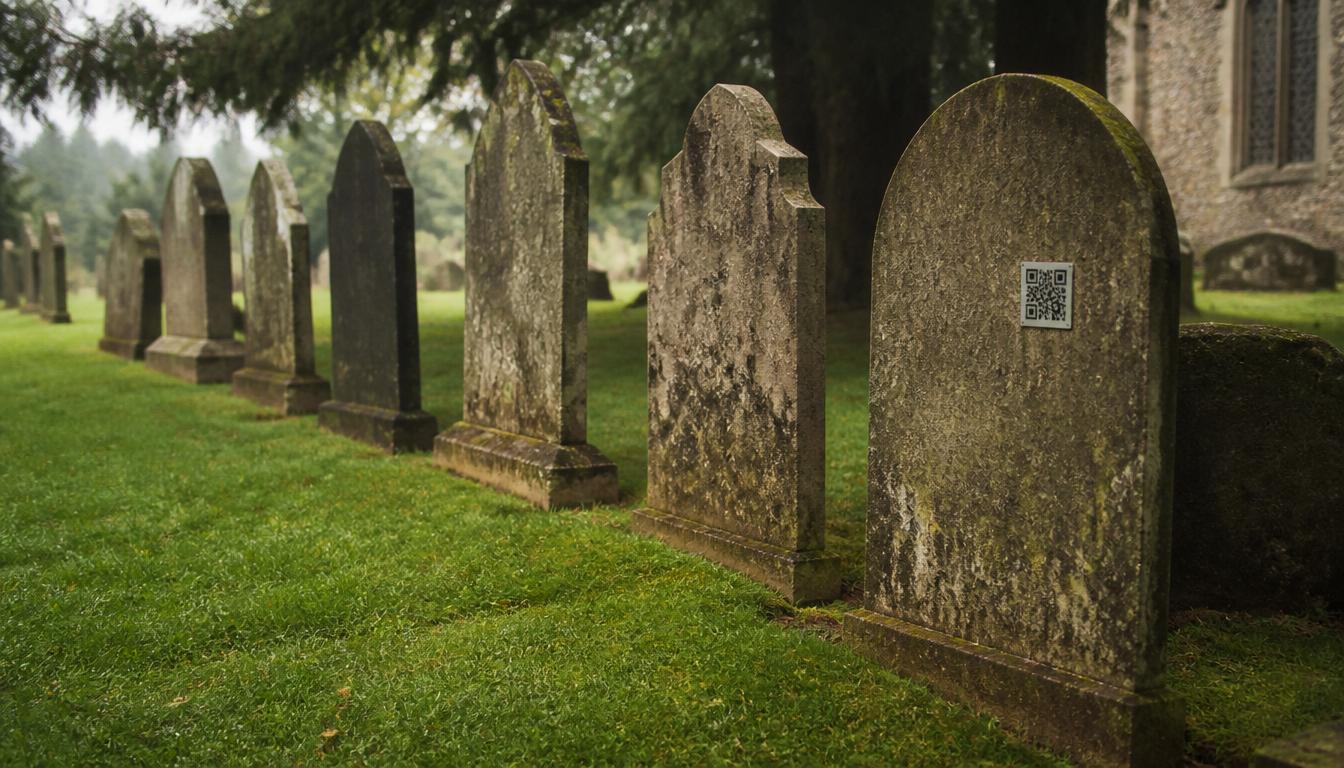
- A link to the grave — the best platforms connect the memorial to a QR plaque on the headstone.
In summary
An obituary tells people that someone has died. A remembrance website keeps their life present for everyone who loved them. The two work together — but only one is designed to last a lifetime. You can create a permanent remembrance website with Vidalem for free in a few minutes.